
The problem
Everything around us is supposed to look new
Phones, faces, homes, feeds: wear and age are treated as problems to fix. Wabi-sabi offers another way to look at them, but it is easier to feel than to read about.
 Wabi-Sabi · a minute of reflection
One image and one slider. Move “Time & Life” and a glossy new pot slowly weathers into a patinated one, while the words fall away (“New”, “Flawless”, “Perfect”) and others rise (“Character”, “Story”, “Resilient”, “Beautiful”). The Japanese idea of wabi-sabi, felt rather than explained.
5 days free · no credit card required. Already have an account? Sign in and open it.
The problem
Phones, faces, homes, feeds: wear and age are treated as problems to fix. Wabi-sabi offers another way to look at them, but it is easier to feel than to read about.
Who it is for
Before
With Wabi-Sabi
How it works
Glossy, flawless, perfect.
Slowly. Watch the surface weather and the words change.
Read the closing line on wabi-sabi, and slide back if you like.
Made in Wabi-Sabi
What is inside
From new and flawless to character and story.
A slow cross-fade from new to weathered.
Perfection falls away; character rises.
No goals, no score, nothing to install.
Wabi-Sabi runs in your browser on a phone, tablet or computer. Nothing to install.
5 days free · no credit card required.
FAQ
Wabi-sabi is a Japanese way of seeing that finds beauty in things that are imperfect, impermanent and incomplete: the worn edge of a cup, the patina of old wood, a repaired crack.
Wabi-sabi is the broader idea of accepting imperfection and change. Kintsugi is a repair craft that fills cracks in pottery with lacquer and gold, showing the break instead of hiding it, and is often used as an example of wabi-sabi.
A hand-thrown bowl with an uneven rim, moss on a stone step, a weathered wooden door, a garment softened by years of wear, a mended object you keep using.
With a single slider: as you move it, a glossy new pot ages into a weathered one, and the words change from “New, Flawless, Perfect” to “Character, Story, Resilient, Beautiful”.
It offers a gentle way to look at age and wear differently, and some people find that calming. It is a reflection exercise, not a treatment for anxiety or any other condition.
About a minute, or as long as you like. There is no timer.
Yes. It works well on a projector as a short introduction to Japanese aesthetics before a discussion or an art activity.
Yes. Drag the slider with your finger.
More from 360apps
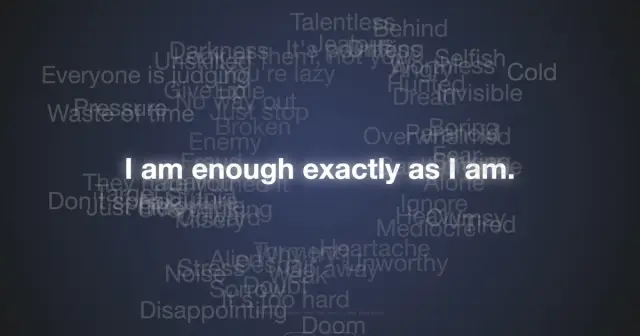 UncloudHarsh thoughts drift across the screen; move your finger and they part to reveal one of 35 kind messages. A one-minute pause.See Uncloud →
 Magical RevealDrag your finger over a grey, dry landscape and a colourful one appears underneath. A calm, one-minute mindful break.See Magical Reveal →
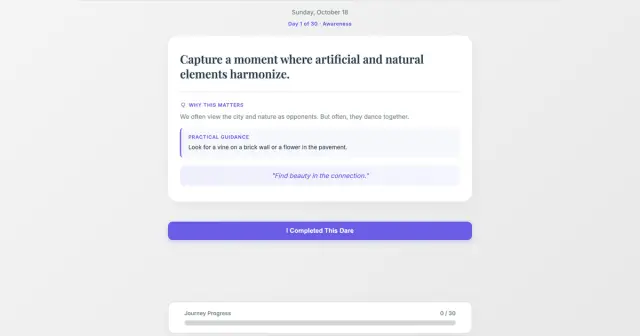 Mindful Photography DaresA mindful photo dare every day for 7 to 90 days, with guidance on how to approach it and a private mood journal you can export.See Mindful Photography Dares →
Wabi-SabiTry it free